






Summary
SLM metal 3D printing empowers universities and research institutions to explore new materials, complex structures, and innovative designs. High precision and repeatability enable experiments and prototypes that were previously impossible with traditional methods.
Technology Advantages

High Precision & Accuracy
Produce detailed experimental components and prototypes with consistent quality.

Rapid Experimentation
Shorten research iteration cycles and accelerate development projects.

Material Versatility
Supports multiple alloys and innovative material testing.

Digital Workflow Integration
Seamlessly connect with CAD/CAM systems for efficient R&D.

Design Freedom
Enable complex geometries previously impossible with traditional methods.
Application Cases

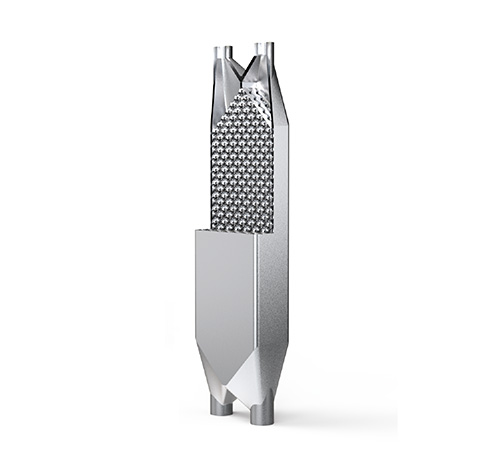
Minimal surface heat exchanger
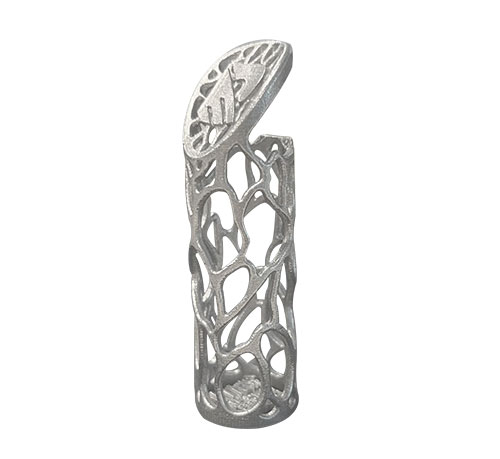
Bottle opener
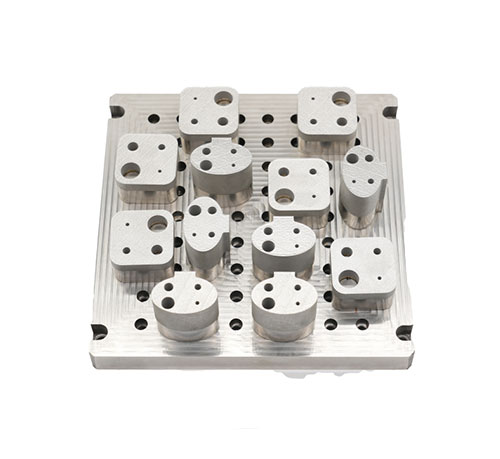
Automatic grafting mold
Recommended Materials
Titanium Alloy (Ti)
Lightweight, strong, suitable for experimental prototypes
Learn more >
Stainless Steel
Cost-effective option for functional testing
Learn more >
Nickel-Based Superalloy
High-temperature performance for advanced research
Learn more >
Cobalt-Chromium Alloy (CoCr)
Durable material for research and experimental components
Learn more >
